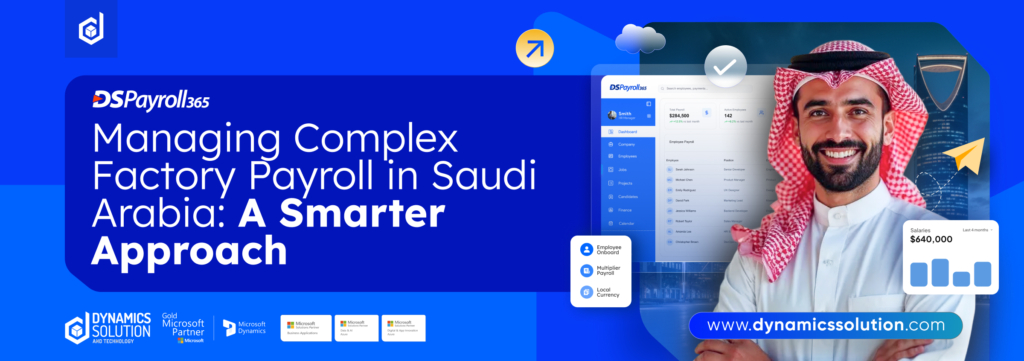
If you work in a factory or manufacturing environment, you know payroll is far more complex than simply calculating monthly salaries. Unlike office settings with fixed schedules, manufacturing teams operate on rotating shifts, variable overtime, night duties, and sudden production surges that can change work hours without notice.
On top of that, compliance is non-negotiable. Payroll must be processed accurately through WPS (Wage Protection System) on Mudad, GOSI contributions (General Organization for Social Insurance) must be calculated correctly, and every figure has to align with official records. When payroll is handled manually using spreadsheets, paper timesheets, or disconnected tools, even a small mistake can create big problems. A missed overtime entry or an incorrect rate can delay payroll, increase rework, and leave employees frustrated on payday turning what should be a routine process into a stressful one.
Compliance Without Disruption to Operations
In Saudi Arabia, payroll accuracy and timing are critical. Late or incorrect payroll doesn’t just upset employees it can also lead to serious compliance issues if WPS files are delayed or rejected. With payroll outsourcing, compliance becomes part of the process, not an afterthought. The same specialists managing salary calculations also ensure WPS and GOSI requirements are met, submissions are completed on schedule, and records remain audit-ready.
Outsourcing is especially valuable during high-pressure periods. Even when production ramps up, deadlines tighten, or HR teams are overloaded, payroll continues without interruption. Instead of relying on a single individual each month, businesses gain a dependable payroll process that runs smoothly regardless of internal workload or staff availability.
Clear Payroll Insights for Smarter Cost Management
A well-structured payroll process delivers more than just accurate salaries it provides meaningful insight. With organized payroll data, management gains a clear view of labor expenses across shifts, locations, and departments. Trends become visible, such as overtime patterns, distribution allowance, and workforce costs by site.
This level of transparency supports better planning and control. Teams can adjust staffing levels, manage overtime more effectively, and address cost concerns early before they escalate. Instead of reacting to unexpected payroll expenses, businesses can make informed decisions based on real data.
Reduced Payroll Risk in High-Volume Environments
Manufacturing operations often involve large workforces, frequent shift changes, and fluctuating overtime. In these high-volume settings, even small payroll errors can multiply quickly. A structured and automated payroll approach minimizes these risks by standardizing calculations, validating inputs, and ensuring every pay component is applied correctly. This reduces rework, prevents disputes, and protects the business from costly corrections or compliance penalties.
More Time for HR to Focus on People, Not Numbers
When payroll is handled efficiently, HR teams are no longer buried in calculations, reconciliations, and deadline pressure. Instead, they can focus on workforce planning, employee engagement, and operational support. By removing payroll bottlenecks, organizations free up valuable time and resources, allowing HR to contribute more strategically to the business rather than spending each month chasing figures and fixing errors.
Selecting the Right HR and Payroll Solution
When evaluating an payroll solution, for manufacturers typically focus on operational efficiency, regulatory adherence, and payroll accuracy. Due to the complexity of workforce management in manufacturing environments, the right system should support a range of industry-specific requirements.
Time and attendance management is essential for maintaining productivity and meeting labour regulations. Automated T&A systems accurately record working hours, track absences, and highlight scheduling issues, enabling HR teams to identify patterns and address potential problems early.
Instant payroll processing ensures wages, deductions, incentives, and commissions are calculated accurately in real time. This eliminates the need for manual adjustments and helps guarantee timely, error-free payments, strengthening employee confidence and satisfaction.
Shift planning and overtime control are critical in operations with rotating or extended work schedules. A reliable system supports complex shift structures while calculating overtime correctly and remaining aligned with labour laws.
Labour costing and workforce allocation allow businesses to assign labour expenses to specific tasks, projects, or production lines. Detailed cost reports support more accurate budgeting and help management understand where resources are being used most effectively.
Employee self-service functionality reduces the administrative burden on HR teams by enabling staff to access payslips, submit leave requests, and update personal details independently.
Scalability and flexibility are particularly important for manufacturers as workforce size and operational demands can change rapidly. A configurable system ensures the software evolves alongside business growth and operational needs.
Data protection and confidentiality must be prioritised, with strong security controls in place to safeguard sensitive employee and financial information and ensure compliance with data protection standards.
Regulatory compliance management is simplified through centralised employee records, automated training tracking, and audit-ready reporting, helping organisations stay aligned with employment regulations.
Advanced analytics and reporting tools provide actionable insights through custom dashboards that monitor payroll costs, labour productivity, and staff turnover. These insights enable manufacturers to identify inefficiencies and uncover cost-saving opportunities.
While not every manufacturer will need every feature, investing in a robust HR and payroll system can streamline operations, reduce administrative effort, ensure compliance, and support informed decision-making around workforce costs, efficiency, and productivity.
Why Manufacturers Consider DS Payroll 365
Manufacturers rely on DS Payroll 365 because it delivers an integrated HR and payroll experience designed to support complex, high-demand work environments. By automating routine processes and centralising workforce data, the solution enables HR teams to move beyond manual administration and take on a more strategic role within the organisation.
DS Payroll 365 simplifies and accelerates recruitment workflows, helping manufacturers attract and onboard talent more efficiently in a competitive labour market. With streamlined processes and better visibility across the employee lifecycle, businesses can reduce hiring delays and improve workforce planning.
By improving operational efficiency, the platform enhances overall productivity while fostering stronger employee engagement through timely, accurate payroll and self-service access to information.
Real-time payroll processing ensures precise calculations and up-to-date data, significantly reducing the risk of errors and compliance issues. In addition, advanced reporting and analytics provide deep insights into labour costs, workforce trends, and performance empowering manufacturers to make informed, data-driven decisions that support sustainable growth.
Elevate Your Payroll Operations with DSPayroll365
At Dynamics Solution and Technology, we work closely with manufacturing and industrial organizations across Saudi Arabia and understand how demanding shift-based payroll environments can be. What may look manageable on paper often turns complex when overtime varies, allowances differ by role, and compliance deadlines leave no room for mistakes.
DSPayroll365 is built to support real operational realities. It handles rotating shifts, variable overtime rules, WPS submissions through Mudad, and precise GOSI calculations within one streamlined payroll process eliminating manual work, last-minute corrections, and payroll stress.











 United Kingdom
 Saudi Arabia
 Canada
 UAE
UAE South Africa
 Pakistan
 India
India Malaysia
 Bahrain