Warehouses are a key part of the supply chain. They keep products safe, ensure inventory is tracked properly and help get orders out on time. As the logistics industry has become more complex, running a warehouse isn’t as simple as it used to be. There’s a lot to manage from handling different types of products to working with multiple teams. Even small mistakes can lead to delays, extra costs, and unhappy customers.
The Shift from Static Storage to Intelligent Movement
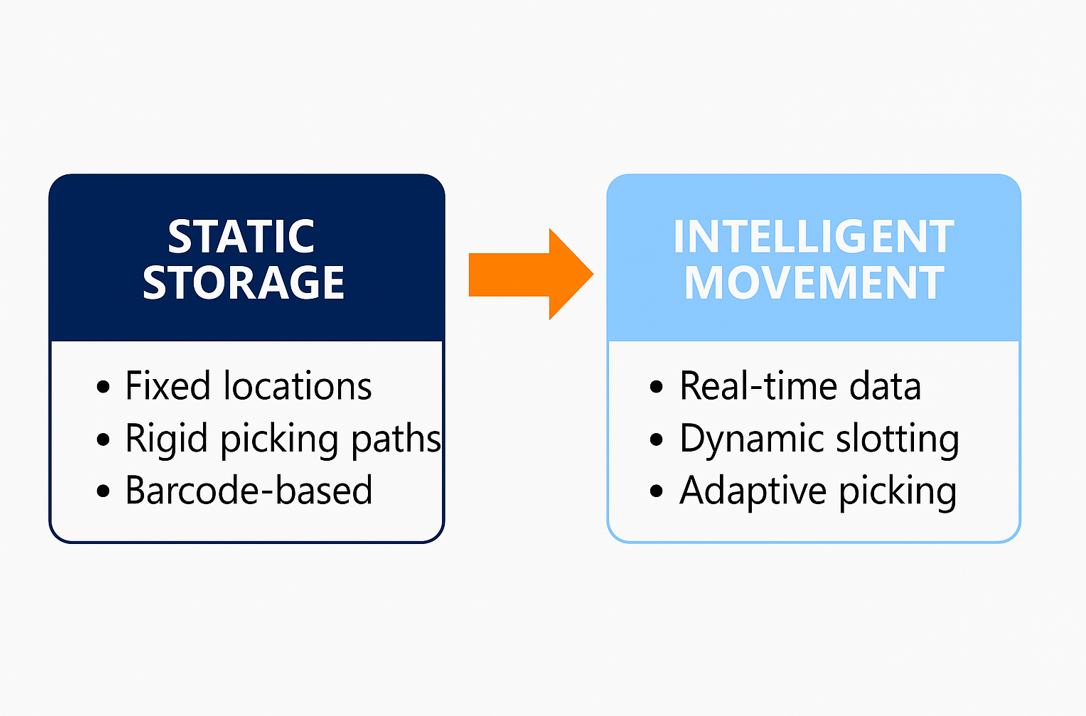
Traditional warehouse setups often follow fixed rules: items go here, pickers go there and everything runs on barcodes. But what happens when demand spikes or a shipment is delayed? Static systems can’t adapt fast enough.
Traditional warehouse management system (WMS) were built around static rules: fixed locations, rigid picking paths and barcode-based tracking. While these systems improved visibility, they often lacked the flexibility to adapt to real-time changes in demand, labor availability or transportation constraints.
However, Dynamics 365 changes the game by using real-time data to guide decisions. It helps you move fast-selling items closer to packing stations, shift slow movers to less-used zones and adjust picking routes based on current workloads. It’s like giving your warehouse a brain that thinks ahead.
What Is Warehouse Optimization in Dynamics 365?
Warehouse optimization means using your space, people and time in the smartest way possible. With Dynamics 365, this goes beyond basic automation.
Let’s say you have a product that sells more during the holidays. Dynamics 365 can automatically suggest moving it to a more accessible location. Or if certain items are often bought together, the system can recommend storing them side by side to reduce walking time.
This kind of logic helps reduce errors, speed up order fulfillment and make better use of every square foot.
Waves, Loads and Location Directives: The New Language of Warehouse Logic
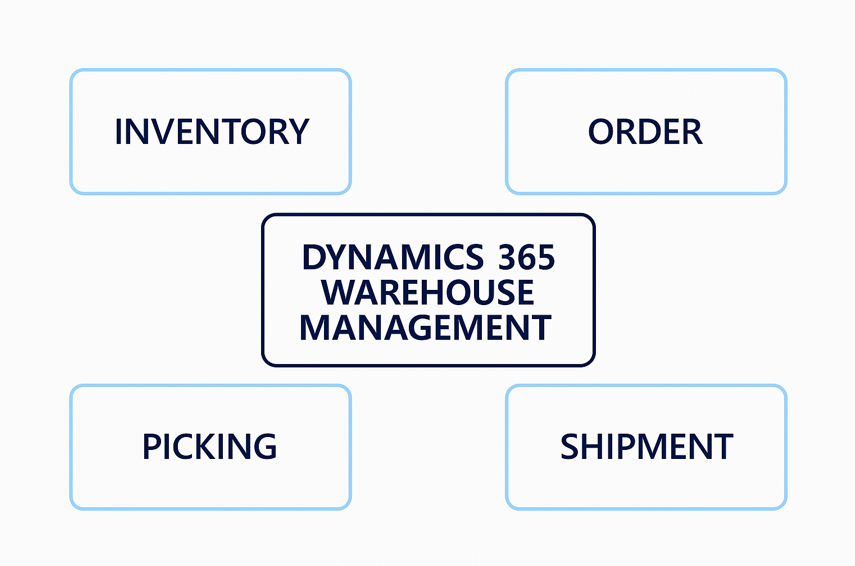
At the heart of Dynamics 365’s warehouse module are concepts like waves, loads and location directives; each one a building block in a more intelligent system.
- Waves groups work across multiple orders, allowing batch picking and reduced travel time. Instead of processing orders individually, Dynamics 365 can release waves based on criteria like shipping deadlines or carrier cutoffs.
- Loads represent the transportation logic, and how goods are grouped for shipment. This allows warehouse operations to align with transportation planning, reducing dock congestion and improving carrier utilization.
- Location directives define how and where items should be stored or picked. These aren’t static rules. They can be conditional, based on item type, order priority or warehouse zone congestion.
This layered logic means that warehouse decisions aren’t just automated but optimized in real-time.
Mobile-First Execution with Embedded Intelligence
Warehouse workers aren’t sitting at desks; they’re on the move. Dynamics 365 supports mobile devices out of the box, with role-specific menus and task-driven workflows. Whether receiving, put-away, picking or cycle counting, every action is guided by real-time data and intelligent prompts.
For instance, if a picker scans an item and the system detects a mismatch in the expected quantity, it can trigger a quality check or escalate to a supervisor. If a location is temporarily blocked, the system can reroute the task without manual intervention.
This isn’t just about digitizing paper processes; it’s about embedding intelligence into every scan, every step, every decision.
Tier-1 Capabilities Without the Complexity
Experts say Tier-1 WMS includes capabilities like labor management, slotting optimization and advanced analytics. Dynamics 365 delivers these without the heavy customization or siloed architecture that often plagues legacy systems.
- Slotting Optimization. Instead of relying on static ABC classifications, Dynamics 365 can analyze historical order data, seasonal trends and even supplier led times to recommend optimal storage locations. It’s not just about saving space; it’s about reducing pick times.
- Labor Management: With real-time task tracking and Power BI integration, managers can monitor productivity, identify bottlenecks and reassign tasks on the fly. This level of visibility turns labor from a cost center into a strategic lever.
Integration with the Broader Supply Chain
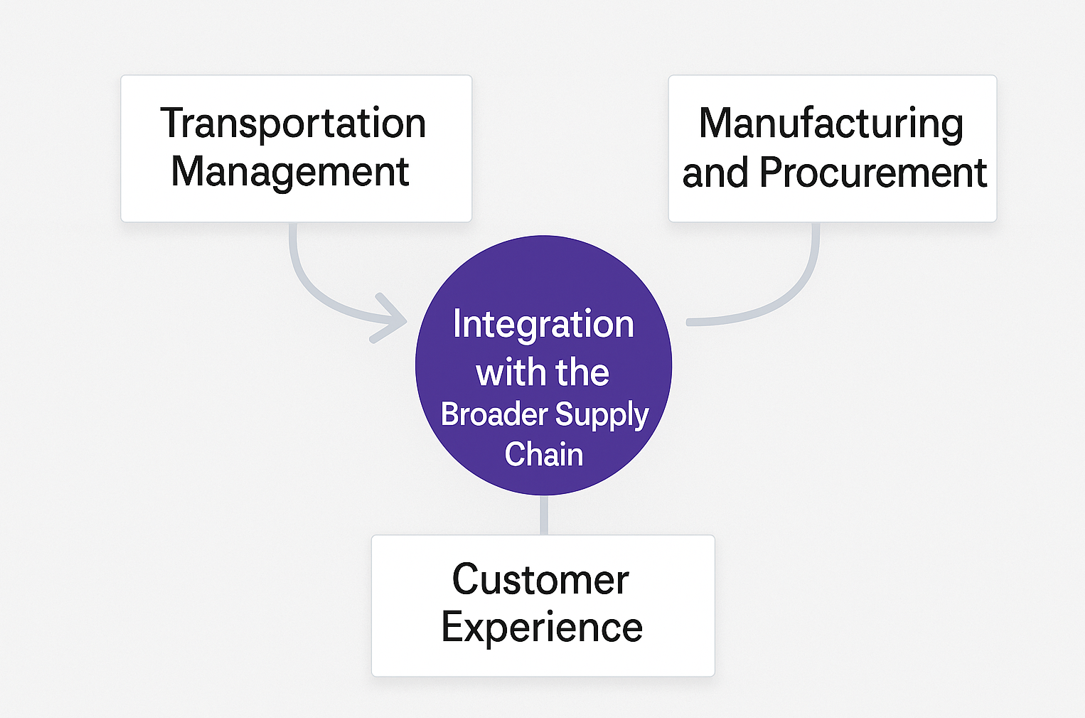
What sets Dynamics 365 apart isn’t just what it does inside the warehouse; it’s how it connects to everything outside it.
- Transportation Management: Shipments, loads and carrier assignments are integrated directly into warehouse workflows.
- Manufacturing and Procurement: Production orders and purchase receipts flow seamlessly into warehouse tasks. The system can automatically adjust inbound put-away plans if a production run is delayed.
- Customer Experience: Real-time inventory visibility means accurate promise dates and fewer order cancellations. Companies can build custom apps or workflows with embedded Power Platform tools to extend functionality without writing code.
Improving Warehouse Profitability
Profitability isn’t just about cutting costs; it’s about doing more with what you have. Dynamics 365 helps you spot inefficiencies and fix them fast.
For example, if a worker spends too much time on a task, managers can see it in real-time and reassign work. If inventory levels are off, the system can trigger a cycle count before it becomes a bigger issue.
Here are a few ways Dynamics 365 boosts profitability:
- Better space usage: No more wasted aisles or underused shelves.
- Smarter labor: Assign tasks based on real-time priorities.
- Fewer errors: Accurate inventory means fewer returns and delays.
- Faster order cycles: Get more done in less time.
Smarter Logic, Smoother Warehousing
Warehouse management isn’t about racks and barcodes anymore. It’s about logic—dynamic, data-driven and deeply integrated logic. Microsoft Dynamics 365 doesn’t just manage warehouses. It redefines how they think, move and respond.
And in a world where speed, accuracy and agility are non-negotiable, redefinition isn’t just welcome, it’s essential.
Take Control with Dynamics 365 Warehouse Solutions
Ready to simplify your warehouse operations with more reliable logic? Discover how Microsoft Dynamics 365 Supply Chain Management transforms everyday warehouse tasks into scalable, data-driven strategies.
Whether your goal is to streamline inventory, boost workforce productivity, or gain real-time visibility across your supply chain, Dynamics Solution and Technology helps companies upgrade their warehouse operations with customized Dynamics 365 solutions tailored to their business needs.
From smarter waves and load planning to advanced location directives and automation, we don’t just implement the tech; we make it work for you.
Connect with Dynamics Solution and Technology to learn about how we can turn your warehouse into a profitable powerhouse.











 United Kingdom
 Saudi Arabia
 Canada
 UAE
UAE South Africa
 Pakistan
 India
India Malaysia
 Bahrain