ERP system (Enterprise Resource Planning) have long been the backbone of business operations. For decades, legacy ERPs have helped organizations manage finance, inventory, procurement and manufacturing. But as the pace of business accelerates and customer expectations evolve, the limitations of traditional ERP system have become increasingly apparent.
Now in this modern era, the ERP landscape is driven by the need for greater agility, data-driven insights and seamless integration across an organization. Therefore, businesses today face a critical decision: should they continue to invest in their legacy ERP system or is it time to transition to modern, cloud-native platforms like Microsoft Dynamics 365?
This article delves deep into the fundamental differences between these two paradigms, exploring which truly aligns best with the demands of the contemporary business environment. Let’s unpack the differences in architecture, deployment and scalability to find out.
From Traditional ERP to Modular Agility
Legacy ERPs are typically monolithic. All modules, finance, Human Resources Management and supply chain are tightly coupled, meaning any change in one area can ripple across the entire system. This rigidity makes updates, integrations and customizations a costly and time-consuming affair.
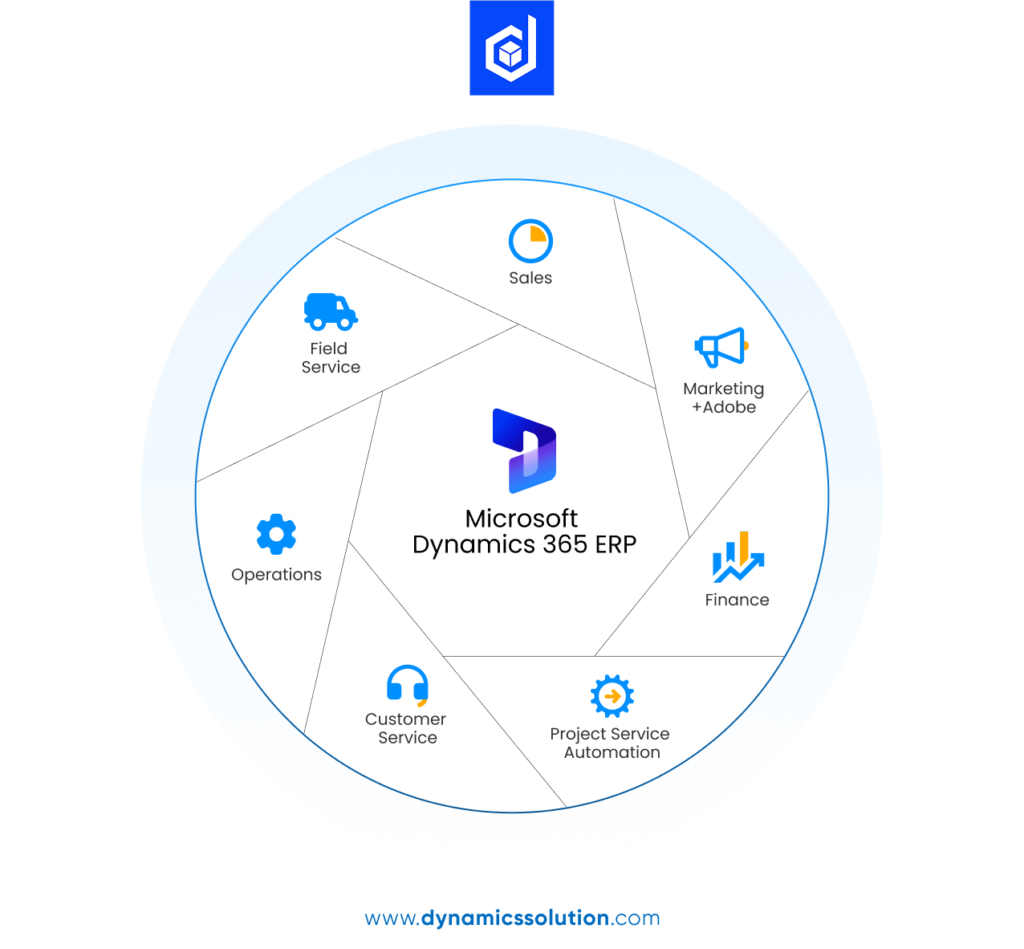
Dynamics 365, on the other hand, is built on a modular architecture. Businesses can start with core applications like Finance or Sales and add others, such as Customer Insights or Field Service, as they grow. This flexibility allows organizations to scale without overhauling their entire system.
Moreover, Dynamics 365 integrates seamlessly with Microsoft’s broader ecosystem, including Power BI, Teams and Azure. This System cohesion enables real-time data sharing and cross-functional collaboration that legacy systems simply weren’t designed to support. This flexibility not only reduces project risk, but it also speeds up implementation.
Deployment & Maintenance: On‑Premise vs. Cloud‑First
Traditional ERPs are usually deployed on-premises. This means businesses must invest heavily in infrastructure, maintenance and IT staff. Updates are manual, often requiring downtime and extensive testing.
Dynamics 365 flips this model. It’s cloud-native and running on Microsoft Azure, which means automatic updates, reduced IT overhead and global accessibility. Teams can work from anywhere with an internet connection an essential feature in today’s hybrid work environment.
That said, Dynamics 365 also supports hybrid and on-premise deployments for organizations with specific compliance or data residency requirements. This flexibility is a significant advantage over legacy systems that are often locked into a single deployment model.
Cost Infrastructure
Legacy ERPs come with significant upfront costs, hardware, licenses, implementation and ongoing maintenance. And because they’re not easily scalable, businesses often end up paying for features they don’t use.
However, Dynamics 365 operates on a subscription model. Companies pay only for the modules they need, and they can scale up or down as their needs evolve.
Customization and Integration
Legacy ERPs were not built with modern APIs in mind. Integrating them with third-party tools or newer platforms often requires custom code, middleware or workarounds that introduce technical debt.
Dynamics 365 is API-rich and designed for extensibility. Whether it’s integrating with a customer portal, a logistics platform or a marketing automation tool, it offers connectors and low-code tools like Power Automate to streamline the process.
This ease of integration is particularly valuable for businesses that rely on a diverse tech stack. It reduces time-to-value and ensures that data flows smoothly across systems.
User Experience and Accessibility
Let’s be honest, legacy ERPs are not known for their user-friendly interfaces. Navigation is often clunky and training new users can take weeks.
On the other hand, Dynamics 365 offers a modern, intuitive UI that mirrors the look and feel of other Microsoft products. Users familiar with Excel or Outlook will find the learning curve much gentler. Plus, with built-in AI features like predictive insights and natural language queries, users can make faster, more informed decisions.
Accessibility is another win. Dynamics 365 is mobile-ready, allowing field teams, sales representatives and remote workers to stay connected and productive on the go.
Security and Compliance
Security is non-negotiable. Legacy ERPs often rely on outdated security protocols and require manual patching, leaving them vulnerable to breaches.
Dynamics 365 benefits from Microsoft’s multi-billion-dollar investment in cybersecurity. It includes built-in compliance tools, role-based access controls and continuous monitoring. For industries with strict regulatory requirements like finance or healthcare, this level of security is a game-changer.
Industry-Specific Adaptability
Dynamics 365 is particularly effective in verticals, manufacturing, retail, distribution and project services, thanks to role-specific and industry‑tailored extensions. Traditional ERP systems, conversely, often require organizations to build industry-specific functionality from scratch or purchase expensive bolt-ons, which inflate cost and time to benefit.
Why Dynamics 365 Is the Future of ERP
Summarizing the competitive advantages:
- Agile modular deployment ensures alignment with evolving business priorities.
- Cloud-native infrastructure enables automatic scaling and resilience.
- Integrated Microsoft tech stack enhances productivity and reduces silos.
- AI-enabled insights drive operational responsiveness.
- Unified data model creates transparency across business functions.
- The flexible licensing model is more equitable and adaptive.
- Industry-tailored solutions reduce manual build time.
Strategic Steps for a Successful Launch
To fully extract the edge offered by Dynamics 365, organizations should:
- Define clear use cases and success metrics before purchasing.
- Engage experienced Dynamics partners who understand both business domain and technical integration.
- Adopt Agile rollout: begin with pilot teams, gather feedback, and iterate.
- Prioritize change management: train users early, appoint internal champions, and communicate benefits.
- Monitor usage data and costs to continuously optimize license mix and cloud consumption.
- Govern customizations: favor low‑code and avoid deep custom coding where possible.
- Keep pace with updates: leverage Microsoft’s continuous improvement model through planned release waves.
Ready to Take the Leap?
Legacy ERPs had their time. They brought structure and control to complex business processes. But in today’s fast-moving, digitally connected world, they’re more of a constraint than a catalyst.
Microsoft Dynamics 365 offers a modern alternative—modular, cloud-based, user-friendly, and built for integration. It’s not just an ERP; it’s a platform for innovation.
For businesses looking to stay competitive, agile, and customer-focused, the choice is clear. Dynamics 365 doesn’t just align with modern business demands—it anticipates them.
Recommendation Framework
Here’s how to decide:
| Scenario | Legacy ERP | Dynamics 365 |
| Desire for cloud, scalability, low maintenance. | ❌ | ✅ |
| Need modular deployment and feature flexibility. | ❌ | ✅ |
| Preference for Opex, predictable subscription costs. | ❌ | ✅ |
| Global multi-org rollout with localization needs. | ❌ | ✅ |
| Need real-time integrated ERP & CRM. | ❌ | ✅ |
| Long‑term compliance and vendor support. | ❌ | ✅ |
Take Control of Your Enterprise Operations
At Dynamics Solution and Technology, we don’t just implement Microsoft Dynamics 365, we tailor it to fit your unique workflows, goals and industry needs. Whether you’re replacing a legacy ERP system or scaling your operations, our team ensures a seamless, strategic deployment that drives real results. From finance to supply chain and everything in between, we help you build a connected, intelligent enterprise.
Let’s talk about what’s next for your business. Schedule a session today.










 United Kingdom
 Saudi Arabia
 Canada
 UAE
UAE South Africa
 Pakistan
 India
India Malaysia
 Bahrain