Introduction: Hospitality in a Digital-First Era
The hospitality industry has transformed rapidly over the past few years. Guests now expect instant confirmations, seamless check-ins, personalized experiences, and quick issue resolution. At the same time, hotel operators must manage reservations across multiple channels, coordinate housekeeping teams, track financial transactions, and monitor performance metrics all without slowing down service quality.
Traditional methods such as spreadsheets, manual registers, and disconnected software tools are no longer sufficient. They create inefficiencies, increase the risk of errors, and make it difficult for management to gain clear visibility into operations. To compete effectively, hotels need an integrated digital solution that centralizes processes and improves workflow coordination.
The Complexity of Daily Hotel Operations
Running a hotel involves constant movement behind the scenes. Every reservation triggers a chain of activities confirming availability, updating room inventory, informing housekeeping, processing payments, and recording financial data. When these tasks are handled manually or through separate tools, the process becomes fragmented.
Front desk staff may struggle to manage peak-hour check-ins while answering phone inquiries. Housekeeping teams often rely on delayed updates about room status. Finance departments must reconcile payments from different platforms. Without a centralized system, communication gaps appear, and productivity suffers.
Hotel management software eliminates this fragmentation by connecting departments under one structured digital environment.
Centralized Reservation and Front Desk Management
One of the most noticeable improvements hotel management software brings is at the front desk. Instead of switching between multiple tools or relying on manual records, staff work within a single, integrated dashboard. Room availability, booking details, and guest information are displayed in real time, allowing teams to respond quickly and accurately.
When a reservation is made, the system updates room inventory automatically. Check-in and check-out processes become more efficient because guest data is already structured and accessible. Billing is generated digitally, and payments are processed within the same environment. This unified approach reduces the risk of errors such as duplicate bookings or missing records, while giving front desk teams more time to focus on delivering quality guest service.
Seamless Multi-Channel Synchronization
Hotels today receive bookings from multiple sources, including direct websites, travel marketplaces, and corporate agreements. Managing these channels manually can lead to inconsistent pricing and accidental overbooking.
Hotel management software connects these booking channels in real time. When a room is reserved through one platform, availability updates automatically across all other channels. This synchronization ensures pricing consistency and protects revenue by preventing double bookings. Managers retain full control over occupancy levels and rate strategies without constant manual adjustments, leading to more accurate revenue planning.
Improved Housekeeping Coordination
Housekeeping plays a critical role in shaping the guest experience. Delays in room readiness can disrupt check-in schedules and negatively impact satisfaction.
With an integrated system, housekeeping teams receive immediate updates when guests check out. Room statuses are updated instantly once cleaning is completed. Supervisors can assign tasks, monitor progress, and prioritize urgent rooms through structured digital workflows. Clear communication between departments minimizes downtime between stays and supports faster room turnover, which ultimately improves occupancy performance.
Streamlined Financial Management
Financial management in hospitality involves handling a high volume of daily transactions, from room charges and service fees to vendor payments and tax calculations. When financial information is spread across different systems, reconciliation becomes complicated and time-consuming.
Hotel management software centralizes billing, payments, and reporting. Invoices are generated automatically during check-out, and transactions are recorded in real time. Managers gain access to consolidated financial reports that provide clarity on revenue streams, operating costs, and profitability trends. This structured financial visibility reduces manual workload while improving accuracy and compliance.
Data-Driven Decision Making
Access to reliable, real-time data changes how hotels operate. Instead of relying on estimates or waiting for end-of-month reports, leadership teams can monitor performance as it happens.
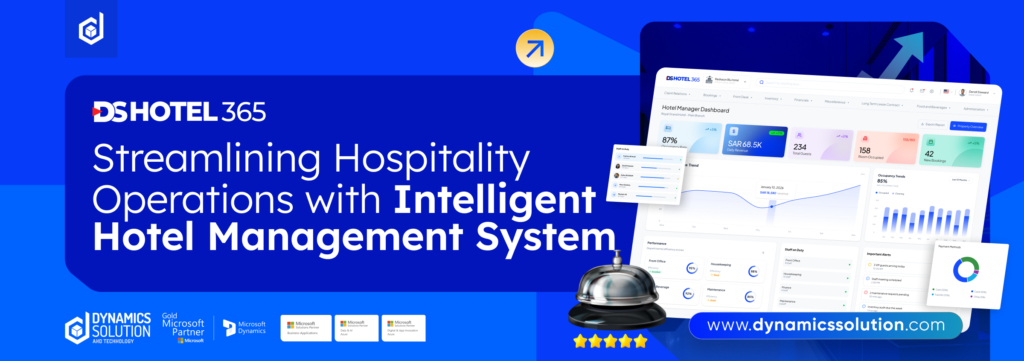
Modern systems provide dashboards that display occupancy rates, revenue metrics, and booking patterns. With this information readily available, managers can adjust pricing strategies, optimize staffing levels, and identify slow periods before they affect profitability. Centralized data empowers proactive decision-making, allowing hotels to respond to trends quickly and strategically.
Enhancing the Guest Experience
Operational efficiency directly influences guest satisfaction. Faster service, accurate billing, and personalized communication contribute to a smoother stay.
When guest profiles are stored within a unified system, staff can quickly access previous stay details, preferences, and special requests. This enables more personalized interactions and reduces check-in times. Automated processes ensure confirmations, receipts, and updates are delivered promptly. By minimizing waiting times and administrative delays, hotel management software strengthens guest confidence and improves overall experience quality.
Automation That Reduces Administrative Burden
Repetitive administrative tasks often consume a significant portion of a hotel team’s time. Manually confirming bookings, updating room statuses, preparing reports, and managing approvals slows productivity.
Automation addresses these inefficiencies. Booking confirmations can be sent instantly, inventory updates occur in real time, and reports are generated with minimal effort. Workflows are structured so that tasks move smoothly between departments without requiring manual follow-ups. This allows teams to shift their attention from paperwork to guest engagement and operational improvement.
Scalability for Growing Properties
As hospitality businesses expand, operational demands become more complex. Systems that function well for a small property may struggle to support multiple locations or higher booking volumes.
A scalable hotel management platform adapts to growth without compromising efficiency. Multi-property oversight, centralized reporting, and standardized processes allow management to maintain control across locations. Growth becomes structured and manageable rather than chaotic, ensuring that operational standards remain consistent.
Security and Reliability in Cloud Infrastructure
Handling guest information and financial data requires strong security measures. System vulnerabilities can damage both reputation and trust.
Cloud-based hotel management systems are designed with data protection in mind. Role-based access ensures that only authorized personnel can view or modify sensitive information. Encryption safeguards transactions and guest records. Additionally, cloud deployment provides consistent system availability and remote access capabilities, supporting uninterrupted operations.
Technologies Behind Hotel Management Software Development
Modern hotel management systems are powered by a combination of advanced technologies that work together to deliver speed, reliability, and seamless user experiences.
Front-End Technologies form the visible layer of the system. Built using frameworks based on HTML, CSS, and JavaScript, the interface is designed to be responsive, intuitive, and easy to navigate. This ensures that hotel staff can access information quickly and complete tasks without technical complexity.
Back-End Architecture handles the core logic of the system. Programming languages such as Python, PHP, or enterprise frameworks manage data processing, workflow automation, booking calculations, and security validations. This layer ensures that every reservation update, billing action, or room status change is processed accurately in real time.
Database Management Systems serve as the backbone of the platform. Technologies like MySQL or PostgreSQL securely store guest records, transaction histories, inventory details, and operational data. Efficient database structures allow quick data retrieval while maintaining consistency and security.
System Integrations enable the platform to connect with external tools and services. These integrations may include payment gateways, accounting software, channel managers, and third-party booking platforms. By synchronizing with external systems through APIs, hotel management software creates a unified operational ecosystem.
Mobile Application Development further enhances accessibility and convenience. Mobile-optimized platforms or dedicated apps allow hotel teams to manage operations remotely while also offering guest-facing features such as mobile booking, digital check-in and check-out, and personalized notifications.
Together, these technologies create a scalable and secure infrastructure that supports the complex demands of modern hospitality operations.
The Long-Term Impact on Hotel Performance
Adopting hotel management software is more than a technical upgrade; it is a strategic shift. When daily tasks are automated and integrated, departments operate with greater coordination and clarity.
Hotels benefit from faster check-ins, improved room turnover, clearer financial reporting, and more precise occupancy management. These operational improvements contribute directly to higher profitability and stronger brand positioning. By replacing fragmented systems with a unified digital structure, hotels transform operational complexity into organized, measurable performance.
Conclusion: Turning Technology into a Strategic Advantage
Hotel management requires constant coordination between reservations, housekeeping, finance, and guest services. Without integration, these moving parts create inefficiencies and delays. With the right digital foundation, operations become aligned, transparent, and performance-driven.
This is where DS Hotel 365 by Dynamics Solution delivers value. By centralizing reservations, synchronizing booking channels, streamlining housekeeping communication, automating financial tracking, and providing real-time performance insights, the platform transforms daily hotel operations into a connected ecosystem. Built on secure cloud technology, DS Hotel 365 equips properties with the tools needed to operate efficiently while maintaining exceptional guest experiences.
In a hospitality landscape defined by speed, accuracy, and personalization, streamlined operations are no longer optional. With the right system in place, hotels gain the clarity and control required to grow confidently and compete successfully.
FAQs
Q1. What is hotel management software and why is it important?
Hotel management software is a digital platform that centralizes core hotel operations such as reservations, front desk management, housekeeping coordination, billing, and reporting. It is important because it reduces manual work, minimizes errors, improves operational efficiency, and enhances the overall guest experience.
Q2. How does hotel management software improve daily operations?
It streamlines daily activities by automating repetitive tasks, synchronizing bookings across multiple channels, updating room availability in real time, and generating accurate financial reports. This allows staff to focus more on guest service rather than administrative work.
Q3. Can DS hotel 365 help increase revenue?
Yes. By providing real-time occupancy data, dynamic pricing capabilities, and performance analytics, the software helps hotels optimize room rates and reduce revenue loss caused by overbooking or manual errors. Better data leads to smarter pricing and higher profitability.
Q4. Is hotel DS hotel 365 suitable for small and growing properties?
DS hotel 365 are scalable and adaptable. They can support single boutique hotels as well as multi-property operations. As the business grows, the system can handle increased booking volume, additional rooms, and expanded operational complexity without disrupting workflows.











 United Kingdom
 Saudi Arabia
 Canada
 UAE
UAE South Africa
 Pakistan
 India
India Malaysia
 Bahrain